

Classic Oatmeal Bread
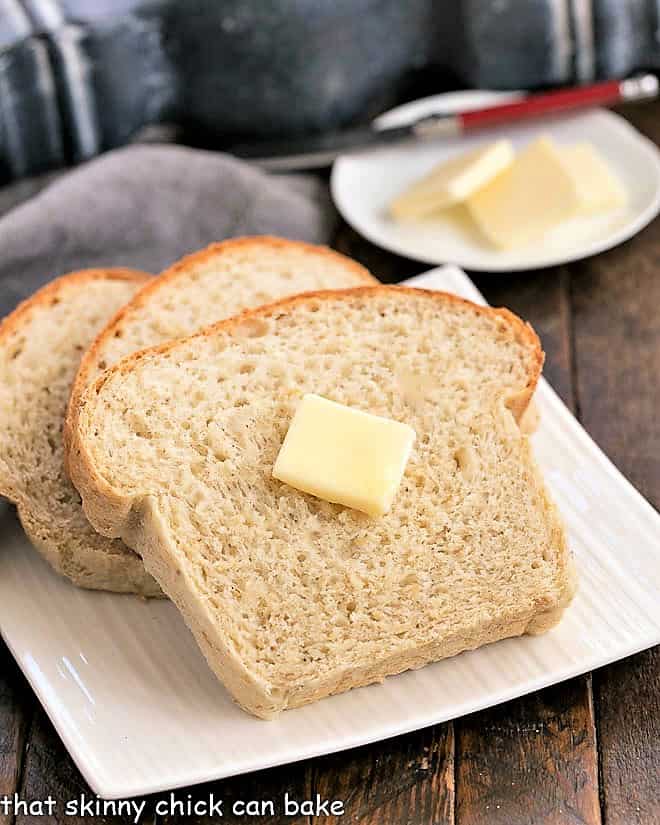
This Classic Oatmeal Bread reminds me of my childhood. We’d eat my mom’s version hot out of the oven, covered with cold pats of butter. This recipe will make your inner child come alive!
This Oat Bread is soft, tender, and absolutely delicious! And who can resist the aroma of a freshly baked yeast bread recipe! It’s incredibly comforting.
Why You Must Make
- This recipe comes from one of my favorite bakers, Nick Malgieri.
- There is nothing better than sharing a good loaf of homemade bread with your family! Especially when it’s still warm from the oven.
- Slightly sweet from the addition of brown sugar, this is one terrific homemade yeast bread recipe.
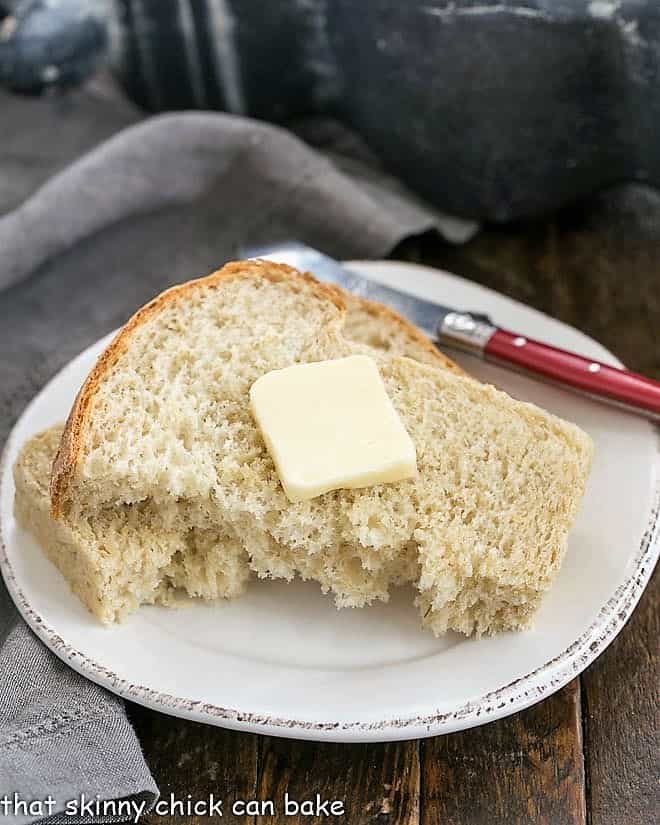
One of my favorite loaves since childhood was my mom’s oatmeal bread. I’m not sure the secret of her recipe, but I do recall eating it hot from the oven with lots of cool, creamy butter smeared on the slices. Hot bread? Cold butter? Maybe that was the secret…I still love that combo. I turned to a baking guru, Nick Malgieri, for some inspiration for this challenge.
His How to Bake (affiliate link) cookbook has been the source for my favorite cheesecake, apple pie, and now oatmeal bread. Nick’s attention to detail was priceless when, as a novice baker, I needed very detailed tips and instructions. I’ve tried a few oatmeal bread recipes over the years, but this has got to be my favorite. Soft, sweet, tender. Truly the ultimate oat bread.
Ingredient Notes
This Classic Oatmeal Bread Recipe is a delicious, basic bread recipe made with dry active yeast.
- Rolled Oats – Old Fashioned Oatmeal not Quick Oats.
- Active Dry Yeast – 1 envelope. I recommend Red Star Yeast brand.
- All-purpose, Unbleached flour – I use King Arthur brand.
- Table Salt – Never omit the salt in the recipe as it’s a flavor enhancer. Your bread will taste flat without salt.
Expert Tips
- PRO-Tip: Remember that yeast is a living organism and if you add water that is too hot, you can kill the yeast. Use a kitchen thermometer to make sure your warm water is around 110º and no hotter than 120º.
- Check the expiration date on your yeast. If it has expired, purchase a fresh batch.
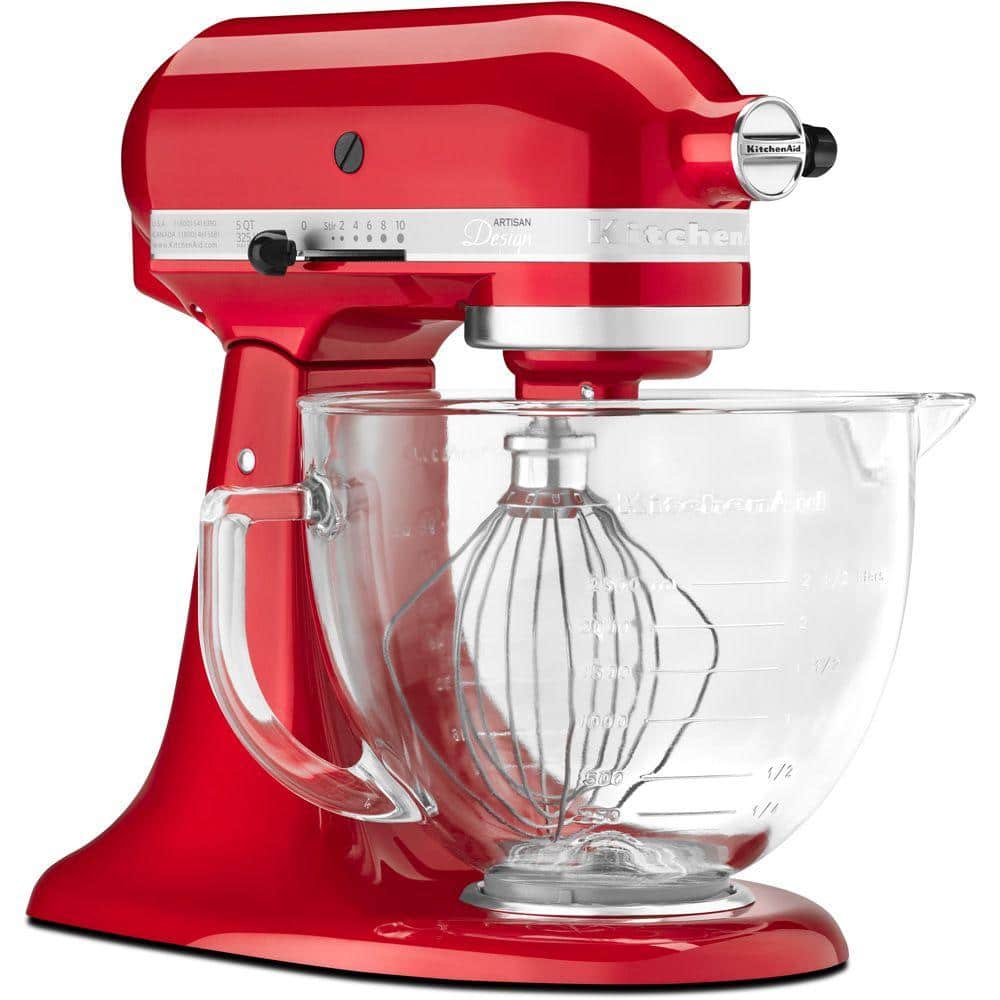
- A stand mixer fit with a dough hook is a terrific way to knead bread. Just make sure your mixer does not overheat by monitoring it during the kneading process.
- If the mixer feels very hot, turn it off and let it cool down before continuing. You may need to finish kneading by hand if necessary.
- Letting the dough rise, or proofing the dough, works best in a warm location. Cover the bowl of kneaded bread with greased plastic wrap.
- PRO-Tip: An ideal location is about 80-85º. Forcing the dough to rise in a too hot environment will compromise the texture.
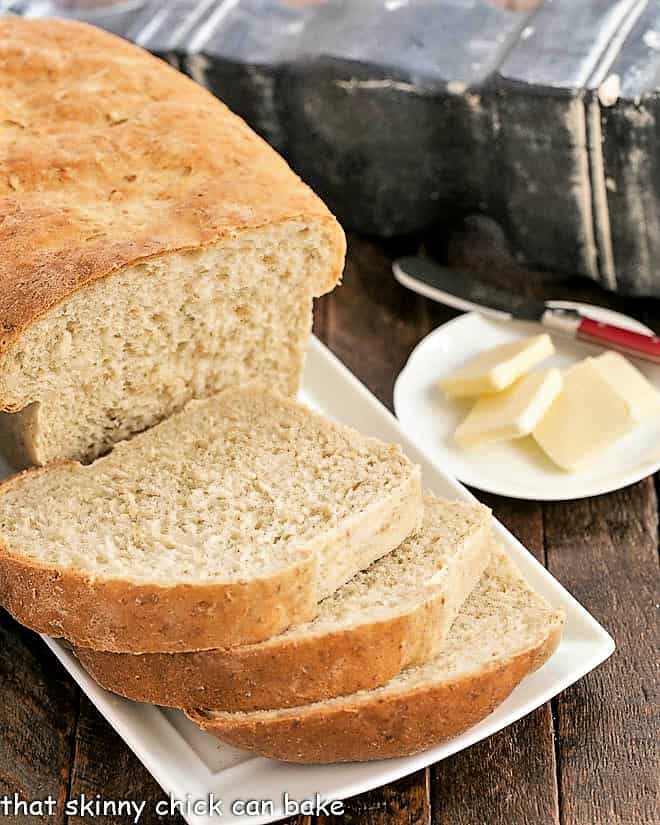
- Shape the loaf by flattening the dough into a rectangle, folding in half, and rolling to make a nice-shaped cylinder. If it doesn’t adhere to itself when rolling, a small amount of water can be used to moisten the dough.
- You can expand upon this recipe by adding raisins or other dried fruit or by sprinkling with cinnamon and sugar before rolling and shaping the dough into a loaf to make a cinnamon oatmeal bread.
- I prefer mine plain and simple, except for that generous smear of salted butter.
Frequently Asked Questions
The oatmeal adds some nutritional value that’s not in white bread. Oats contribute fiber and contain magnesium, Vitamin B1, iron, and zinc. It’s healthier than white bread, but not a healthy food per se.
If your dough is sticky enough, the oats will adhere to the top of the bread. If not, you can brush a very light coat of water or milk over the surface, then sprinkle with oats. Milk will darken the crust a bit due to its sugar content.
Oatmeal adds a mild nutty flavor to the bread.
Keep your oatmeal bread at room temperature in a plastic bag for up to 2 days. For longer storage, wrap well and keep in the freezer for up to 2-3 months. Before freezing, make sure it’s cooled to room temperature or frost will develop.
You May Also Like:
- Basic White Bread from Magnolia Days
- Grandmom’s Dinner Rolls from One Sweet Mess
- Rosemary Olive Oil Bread from Hip Foodie Mom
- Homemade Potato Bread
- No-Knead Bread Recipe
- Cinnamon Twist Bread
- Plus more of the Best Bread Recipes
Classic Oatmeal Bread
A marvelous oatmeal bread adapted from Nick Magieri's How to Bake
Ingredients
- 1 cup oatmeal (regular, not quick oats)
- 1 cup boiling water
- ½ cup warm water (about 110º)
- 2 ¼ teaspoons dry active yeast (1 envelope)
- 2 ½ cups all-purpose flour
- 2 tablespoons brown sugar
- 1 teaspoon salt
- 2 tablespoons butter, cut into about 12 pieces, plus more for greasing the bowl and pan
Instructions
- Grease an 8 ½ x 4 ¼ inch loaf pan with butter and set aside.
- Pour boiling water over oats in a bowl. Stir and set aside till cooled to room temperature.
- Put warm water in a small bowl and add yeast. Stir and set aside.
- In the bowl of a stand mixer, combine flour, brown sugar, and salt and stir to combine.
- Fit the mixer with the dough hook and add oatmeal, yeast mixture, and butter pieces. Knead dough on low for about 5 minutes till smooth and elastic.
- Place dough in a greased bowl, flip a couple of times to coat all sides with butter and cover with greased plastic wrap. Let rise till the dough doubles in bulk, about one hour.
- Remove the dough from the bowl and place on a lightly floured work surface. Deflate the dough with the palm of your hand.
- Form the dough into a rectangle, slightly longer than the pan length. Fold sides in so that the dough is slightly less in length than the pan, then roll to form a tight cylinder.
- The dough should stick to itself, but if it doesn't you may dab a bit of water on the surface to increase adherence.
- Place the cylinder of dough, seam side down, into the prepared pan.
- Cover with greased plastic wrap and let rise till doubled, about an hour.
- Preheat oven to 375º.
- Remove plastic from the risen dough and place the pan in the oven.
- Immediately decrease oven temperature to 350º and bake for 30-40 minutes or till the loaf is brown and sounds hollow when tapped and/or internal temperature reaches 210º.
- Remove from pan to cooling rack. Slice when cooled.
Notes
Makes 1 large loaf
Recommended Products
As an Amazon Associate and member of other affiliate programs, I earn from qualifying purchases.
Nutrition Information:
Yield:
16Serving Size:
1Amount Per Serving: Calories: 101Total Fat: 2gSaturated Fat: 1gTrans Fat: 0gUnsaturated Fat: 1gCholesterol: 4mgSodium: 146mgCarbohydrates: 18gFiber: 1gSugar: 1gProtein: 3g






110 Comments on “Classic Oatmeal Bread”
Can you tell me how the dough should be when you take it out of mixing bowl and set to rise? In your video it’s shows dough pulling away from clean sides, but then after that it shows it leaving wetter looking dough in the bottom. Did you do something to fix that, like add more flour? I have had this happen to me a few times, but usually when I add more flour the dough ends up being heavier, and not light and flexible like your’s is in video when you shape for the pan.
Hoping for some hints!
Val
I’ve never had it turn out wet, so I’d just use a little more flour on your kneading surface, and dusting the top, too. Knead a few times and analyze whether you need to add a little more flour or if it’s good to go. You definitely want to go slow so you don’t add too much. I hope that helps, Val!
What a wonderful recipe to come across!
I’m in South América and I couldnt find the King Arthur flour but I used what I got. Right now is in the oven and it did rise like yours, hoping it bakes well. Thank you so much for sharing your experience and knowledge.
Fingers crossed you’ll be eating delicious homemade bread by the time you read my message!!! xo
Hi! Wanting to make this loaf but trying to stay away refined sugar. Could I substitute maple syrup? (We are a honey free house.) I know It will likely make the dough more runny…but could likely just add more flour to get desired consistency. Thank you!
Hi, Carolina, since I haven’t tested this, I can’t say anything with 100% certainty, but the small amount shouldn’t be a problem. Let me know how it goes!
It seems like the dough was too soft and wet after the first proof, so I had a hard time rolling it. The second proof in the pan was OK, but I lowered the baking temp because I have a dark pan (pre-heated to 350 then baked at 325). The loaf is too soft and seemed to collapse. It seems like it needed some stretch-and-folds to better develop the gluten, but maybe it was just my baking temp? I always read that you’re supposed to lower temp by 25 degrees w dark pans, but maybe that’s not so!
Hi, Peter, I think that’s generally true with dark pans, so the crust doesn’t get too dark, but it may need a longer baking time since the temperature is lower. I think I would have kneaded it with more flour on my surface until it got elastic. Sorry for the difficulties!
Very nice post here thanks for it .I always like and such a super contents of these post. Thanks for sharing wonderful information.
Great way to use oatmeal stored for prepping
Hi Liz! I was searching on Pinterest for an easy oatmeal bread recipe that I could try in my new Bosch mixer. I tripled yours with my fingers crossed and came out with 3 beautiful loaves! For my liquid I used buttermilk in place of the water. Your recipe food blog is awesome ….so happy I found you!
Hi, April!!! Thanks for taking the time to let me know! It’s one of my favorite homemade bread recipes 🙂
Awww, thanks for your kind words, April! And for taking the time to let me know that you were pleased with the results 🙂
Can I use gluten-free flour instead of all purpose flour?
Unfortunately, most bread needs gluten for structure. I haven’t tested this recipe with gluten free flour, but my gut tells me it won’t be successful and I’d hate for you to waste ingredients.
I found the recipe PERFECT ! Directions = PERFECT, Flavor= PERFECT
I am making it again today !
I have recently started making NO KNEAD bread, so I followed my own stirring ingredients together.
I knew the texture would not be the same as a traditional kneaded bread, that does not bother me when the flavor is PERFECT not to mention the ease.
Thank-you
You are most welcome, Pamela! So happy you loved this recipe as much as we do!!!
The dough was really sticky, gloopy. The bread baked-up nicely, and tasted very good, though.
My question – why do none of my breads ever crown? Yours looks great, mine barely rose above the pan.
Have you ever tested your oven temperature? It could be off. Buy an oven thermometer (you can usually find one at the grocery store) and see if that’s the problem. That’s my best guess. You can also add a little more flour to the dough so you can get it to a better consistency. Glad you enjoyed the flavor…that’s what counts!
Hi there, I have this bread dough rising at the moment. Could I make this in a long loaf pan? If so. What do you suggest for the measurements? The pan is roughly 11×4. Thanks!
Sorry, I didn’t see this until well after you posted. You can make it in a long loaf pan….I would have shaped the dough into log about 10 x 4 inches. It may be a little shorter than my loaf, but it will still be fine. Hope you enjoy your bread, Janice!
Can you double the recipe easily? I would like to make a loaf for a neighbor.
I haven’t tried doubling, but I have no reason to think it wouldn’t work!
I have tried several different recipes for oat bread; they usually turn out crumbly and don’t hold together. This one came out brilliantly, looked professional and had a rich taste. A winner !
I’m so glad it was a hit, Gary! And I appreciate you taking the time to let me know.
How would this turn out in a bread machine? Thanks!
Hi, Tammye! I did a little research and it sounds like the results could be drier and less tender unless you use a recipe developed for a bread machine. Also, King Arthur Flour’s website said adding oats “will decrease your machine’s effective capacity.” You could always give it a try, but I’m thinking it would be better to try an oatmeal bread recipe that says you can use a bread machine. Wish I had better news!!